

Marine Fuel & Lubricant Services
Bunker surveys. Clear technical insight.
Independent bunker survey support, targeted marine fuel screening and SDA / CODA analysis—helping owners, charterers and vessel managers understand what was delivered, what the analysis indicates and what may need attention next.
A clear scope. Traceable information. Technical interpretation that considers the vessel and its operating context.
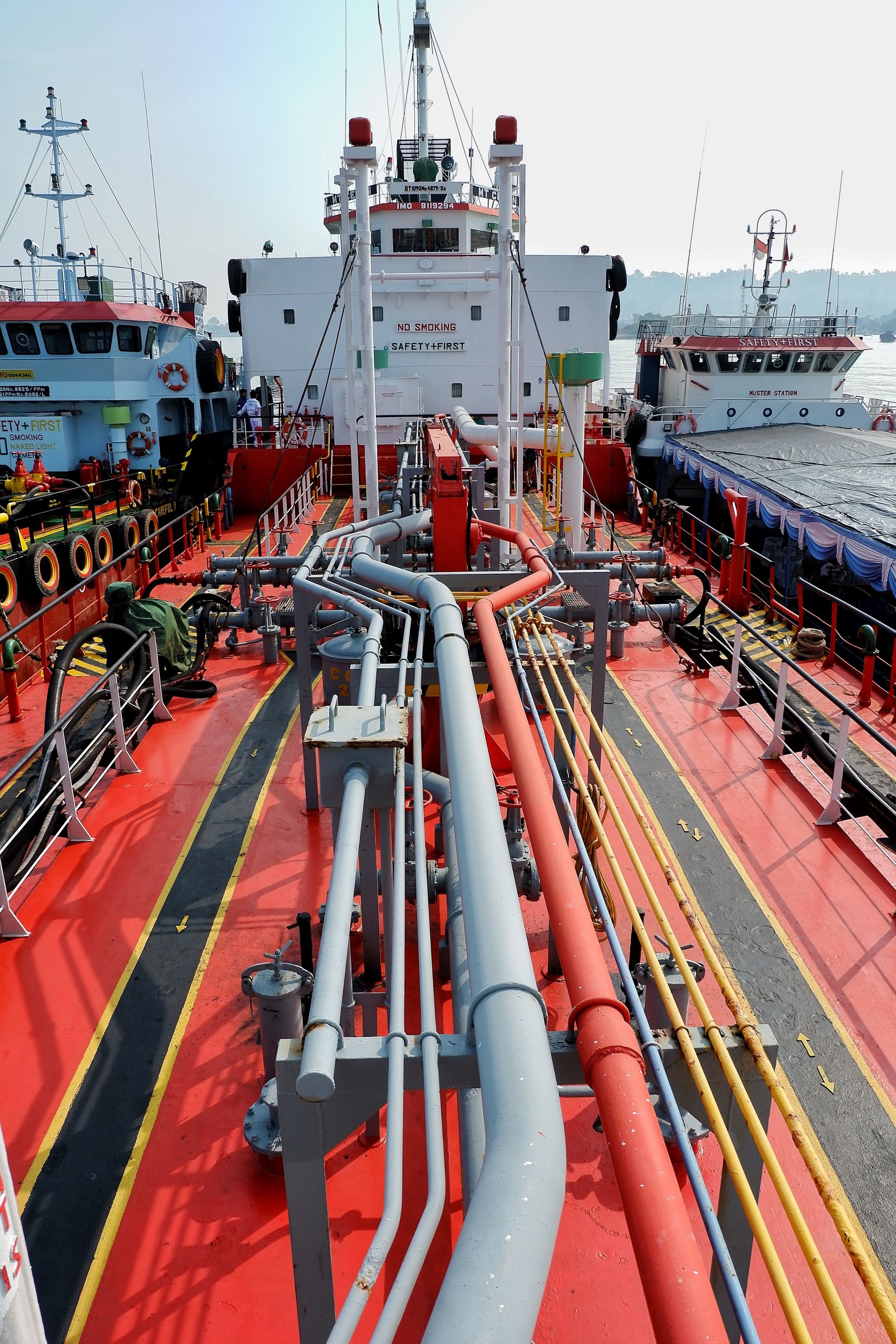
Bunker Delivery Surveys
Record the delivery clearly. Know what was observed.
A bunker survey should be organised around the appointing party’s interests and the specific delivery. We agree the attendance and reporting scope in advance, then document relevant observations, sampling and any reported discrepancy included in that scope.
- 01Survey attendance and reporting for charterers, shipowners and vessel managers.
- 02Delivery observations and review of relevant delivery documentation.
- 03Fuel sampling and sample-seal records where these are included in the agreed scope.
- 04Quantity observations and clear reporting of any recorded discrepancy, as agreed for the assignment.
- 05A written record of relevant observations, scope and limitations for the appointing party’s review.
When Fuel Quality Raises Concern
The right test depends on the question.
Routine fuel-property checks and specialist screening for selected chemical contaminants answer different questions. If the fuel’s origin, appearance, behaviour, analysis or operating results raise concern about possible contamination or adulteration, a case-led analytical scope may provide additional technical evidence. We can review the concern, available sample information and operating context to help define a suitable next step.
Specialist Fuel & Engine Analysis
Three services. One practical technical picture.
We interpret requested analysis alongside the information supplied about the fuel, engine, lubricant, sampling point and operating conditions—so the results can support a more informed technical discussion.
Delivery attendance & documentation
Independent survey support representing the appointing party’s interests within the scope agreed for the assignment.
- Owners, charterers and managers
- Delivery observations and document checks
- Sampling, seals and quantity observations where agreed
Targeted specialist screening
Case-led assessment for suspected contaminated, adulterated or off-specification fuel, with technical interpretation of findings in relation to the available sample and operating context.
- Screening for selected chemical contaminants
- Expanded methods, including GC-MS, where appropriate
- Technical comments on what results do—and do not—establish
Cylinder drain-oil analysis
Scrape Down Analysis (SDA), also known as Cylinder Oil Drain Analysis (CODA), supports monitoring of cylinder condition, wear and cylinder-oil performance in applicable marine engines.
- Review selected indicators such as iron and residual base number
- Comments on trends or readings requiring closer attention
- Follow-up in the context of engine-maker guidance and operation
Why Our Technical Context Matters
A laboratory result is a starting point for engineering judgement.
Numbers and screening results are most useful when they are considered with the right technical question and the conditions in which the sample was taken and used.
We match the scope to the concern.
Fuel quantity, routine properties, suspected contamination and cylinder condition are different questions and may need different survey or analysis scopes.
We consider the machinery as well as the sample.
Where information is available, results are reviewed alongside the engine, fuel and lubricant details, sampling point and relevant operating history.
We explain the reach of the analysis.
A targeted screen looks for compounds included in the selected method. No single analytical panel can detect every possible contaminant, so findings are reported within the method and evidence available.
A Clear, Agreed Process
From the first question to practical technical comments.
Each assignment is tailored to the delivery, sample and decision the client needs to make. The scope, attendance arrangements and reporting requirements are agreed for the specific work.
Tell us what happened
Share the vessel, delivery or engine details, the concern, timing and the question you need the survey or analysis to address.
Agree the scope
Confirm attendance, observations, sample or analysis requirements and the information available for technical interpretation.
Review results in context
Consider observations or findings against the selected method, relevant records and operating information provided.
Clarify next steps
Receive clear technical comments, relevant limitations and practical points for your team’s consideration.
Discuss Your Bunker or Fuel Requirement
Get the technical scope right before the next decision.
Contact us about an upcoming bunker delivery, a suspected fuel-quality concern or SDA / CODA analysis. Share the vessel, timing and question you need answered; we will discuss the appropriate scope and a clear way forward.