

Marine investigations.Establish the facts.
Explain the cause.
Independent investigation of marine casualties and machinery failures. We reconstruct events, test possible causes and uncover overlooked factors, giving your team a clear basis for repairs, claims and the next decision.
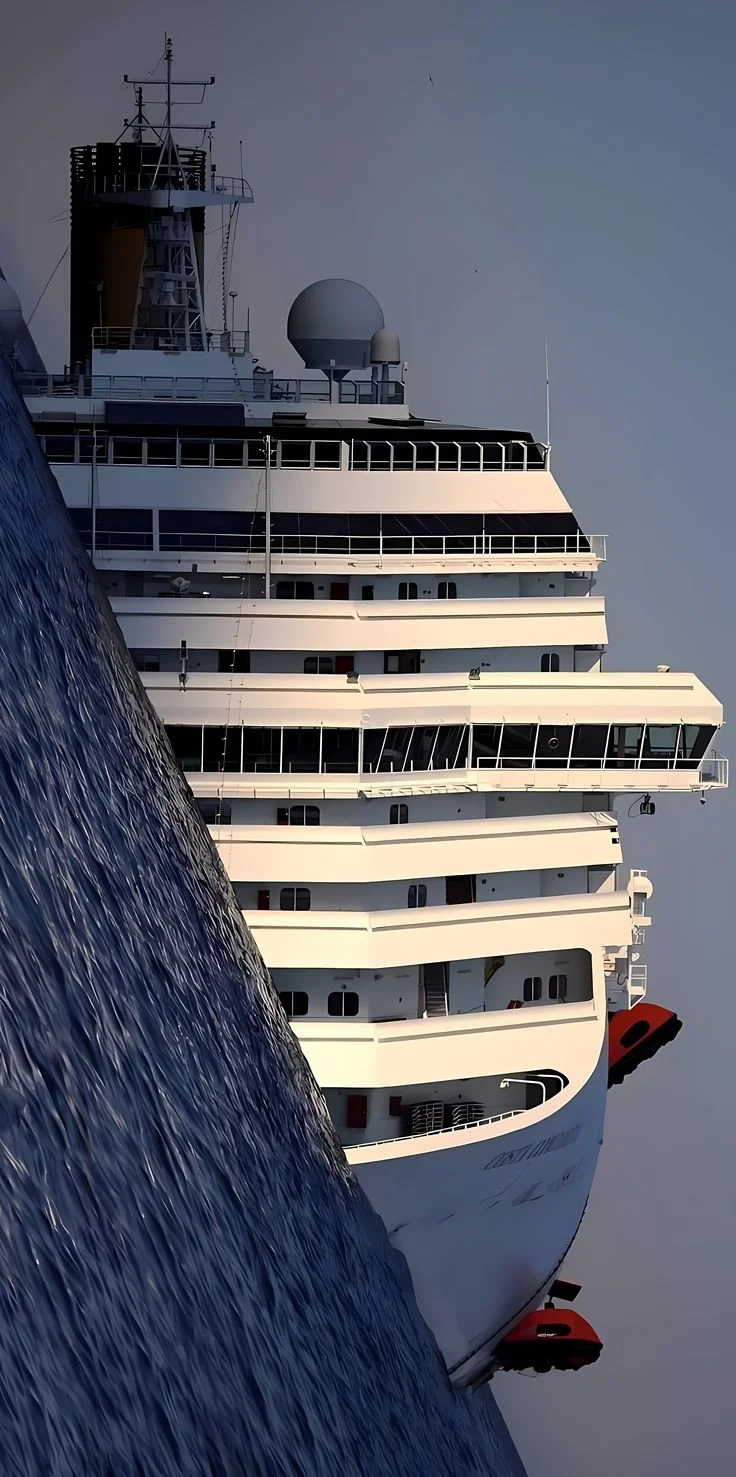
An independent investigation.
Or specialist support for your team.
For shipowners, managers, insurers and legal advisers. We agree the questions, responsibilities and reporting before work begins.
- Collisions & groundings
- Machinery failures
- Hull damage
- Fires & operational incidents
Appoint us to lead the investigation.
We manage the agreed technical investigation, from identifying and reviewing evidence to inspection, causation analysis and a reasoned report. You have one technical lead and a defined scope.
- Evidence review and inspection planning
- Reconstruction of events and contributing factors
- Clear findings, limitations and next steps
Add the expertise your team needs.
We work with your technical staff, claims handlers or appointed counsel on specific questions. Your team keeps its existing roles while we provide independent analysis and challenge assumptions.
- A focused review or second technical opinion
- Joint examination of records and physical findings
- Technical explanations for your advisers
We help identify which logs, photographs, operating data and damaged components should be preserved before repair or disposal changes the evidence.
Look beyond the first explanation.
Experience at sea, in technical management and in repairs helps us recognise when the paperwork and the physical evidence do not tell the same story.
Find overlooked contributing factors.
We examine operating conditions, maintenance, alarms and physical damage together. Inconsistencies and missing records become questions to investigate, rather than assumptions left untested.
Separate the cause from the consequence.
We reconstruct the sequence and compare plausible failure mechanisms. This helps distinguish the initiating event from damage that developed afterwards.
Build a position that can be examined.
Each conclusion is linked to its supporting records and observations. We explain alternative causes, evidence gaps and the limits of what can reasonably be established.
Turn findings into practical decisions.
Your team can use the analysis to target further inspections, plan corrective work, assess a claim and address factors that could cause a similar incident.
Agree the scope, access, urgency and evidence needed.
Review logs, data, photographs and physical findings.
Reconstruct events and compare competing explanations.
Present the findings, limitations and recommended next steps.
A clear technical record.
A practical way forward.
A report that your personnel and advisers can follow, question and use. Facts, technical opinions and unresolved matters are clearly distinguished.
- A chronology tied to the evidence reviewed
- Assessment of likely causes and contributing factors
- Photographs, observations and supporting references
- Evidence gaps, limitations and further checks
- Recommendations within the agreed scope
Start with the facts you have.
A short incident summary and the current status are enough to begin defining the assignment.
Can you begin before attending the vessel?
Yes. An initial document review can identify urgent evidence needs, outstanding questions and whether an on-board or workshop inspection is required.
Can you review another party’s findings?
Yes. We assess the report against the available evidence, test its reasoning and identify unsupported conclusions or further checks. Our opinion remains independent.
Can the report support a claim or dispute?
Within the agreed instruction, we prepare and explain findings for your insurers, claims team or legal advisers. Legal advice and representation are provided by appointed lawyers.
Discreet handling, independent judgement and clear responsibilities.
Confidentiality & case security